
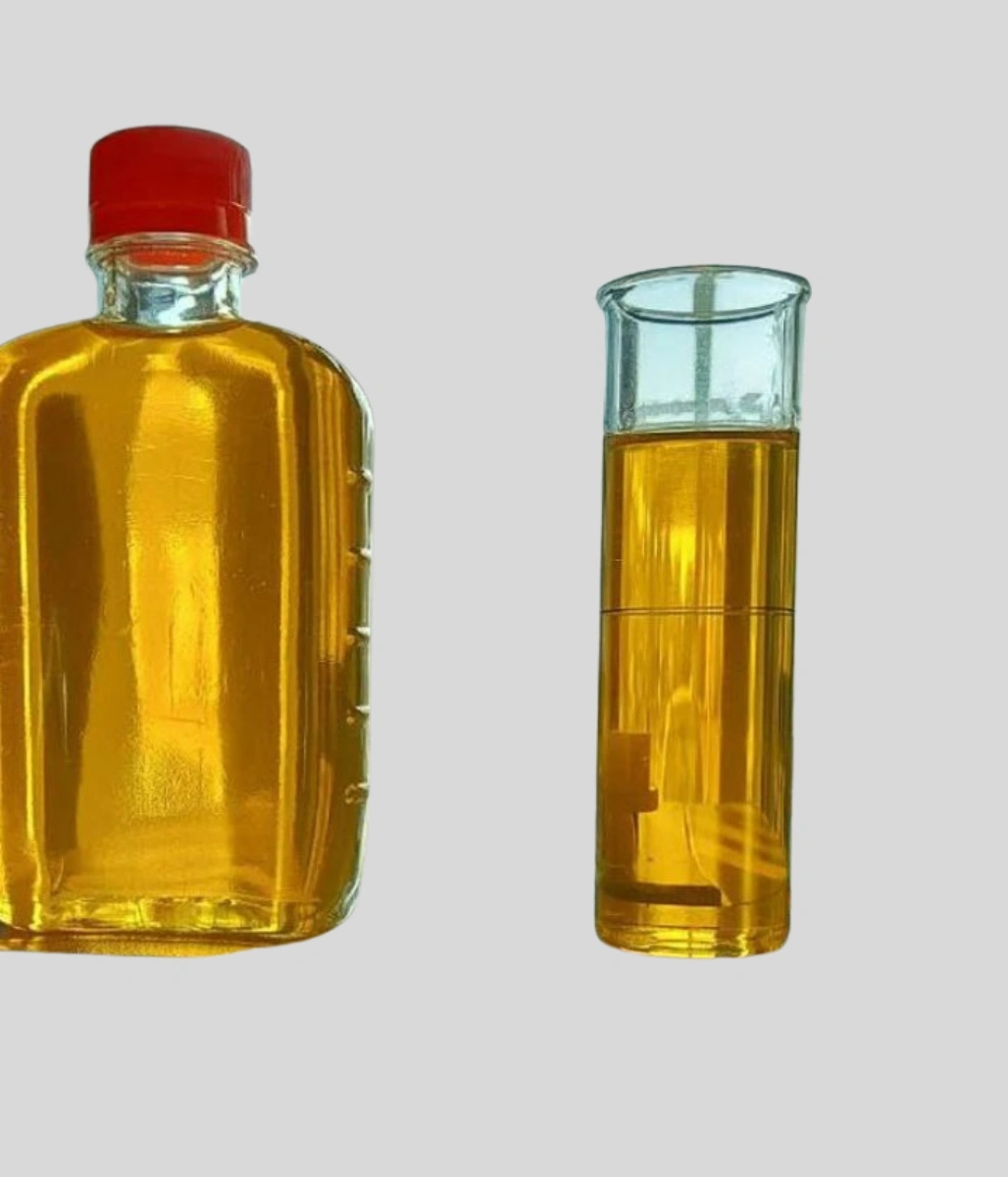
Description
High Purity Levels:
Advanced refining methods, such as vacuum distillation and hydrotreating, ensure that recycled base oils meet stringent quality standards for reuse.
Cost-Effectiveness:
Offers a more economical alternative to virgin base oils without compromising performance.
Reduces the cost of production for lubricant manufacturers.
Comparable Quality:
Recycled base oils can achieve similar properties to virgin oils, including viscosity, stability, and oxidation resistance, making them suitable for various applications.
Production Process:
Collection:
Used oil is collected from automotive, industrial, and other sources.
Pre-Treatment:
Water, debris, and other impurities are removed.
Distillation:
The oil undergoes vacuum distillation to separate light and heavy fractions.
Hydrotreating or Hydrofinishing:
Hydrogen is used to remove remaining impurities, improve color, and enhance performance characteristics.
Additive Blending (if needed):
Additives are incorporated to tailor the oil for specific applications.
Applications:
Metalworking Fluids:
Acts as a base in cutting oils, greases, and other metal processing fluids.
Industrial Applications:
Suitable for compressors, turbines, and other machinery requiring high-quality lubricants.
Transformer Oils:
Used in electrical transformers where insulating properties are critical.
Environmental Benefits:
Reduces Waste Oil Disposal:
Diverts waste oil from landfills and waterways, reducing environmental contamination.
Lowers Carbon Footprint:
Consumes less energy compared to refining virgin oils, decreasing greenhouse gas emissions.
Promotes Circular Economy:
Encourages recycling and reuse within the lubricant industry.
Challenges:
Contamination Risks:
Improperly collected or processed oils may retain impurities, affecting performance.
Quality Consistency:
Ensuring uniform quality across batches requires stringent quality control measures.
Market Perception:
Recycled oils may face skepticism despite their proven performance and eco-friendly advantages.
Recycled Base Oil exemplifies how innovative recycling technologies can balance industrial demands with environmental stewardship. Its growing adoption highlights a shift towards sustainable practices in the lubricant industry, offering reliable performance while contributing to a greener future.