Description
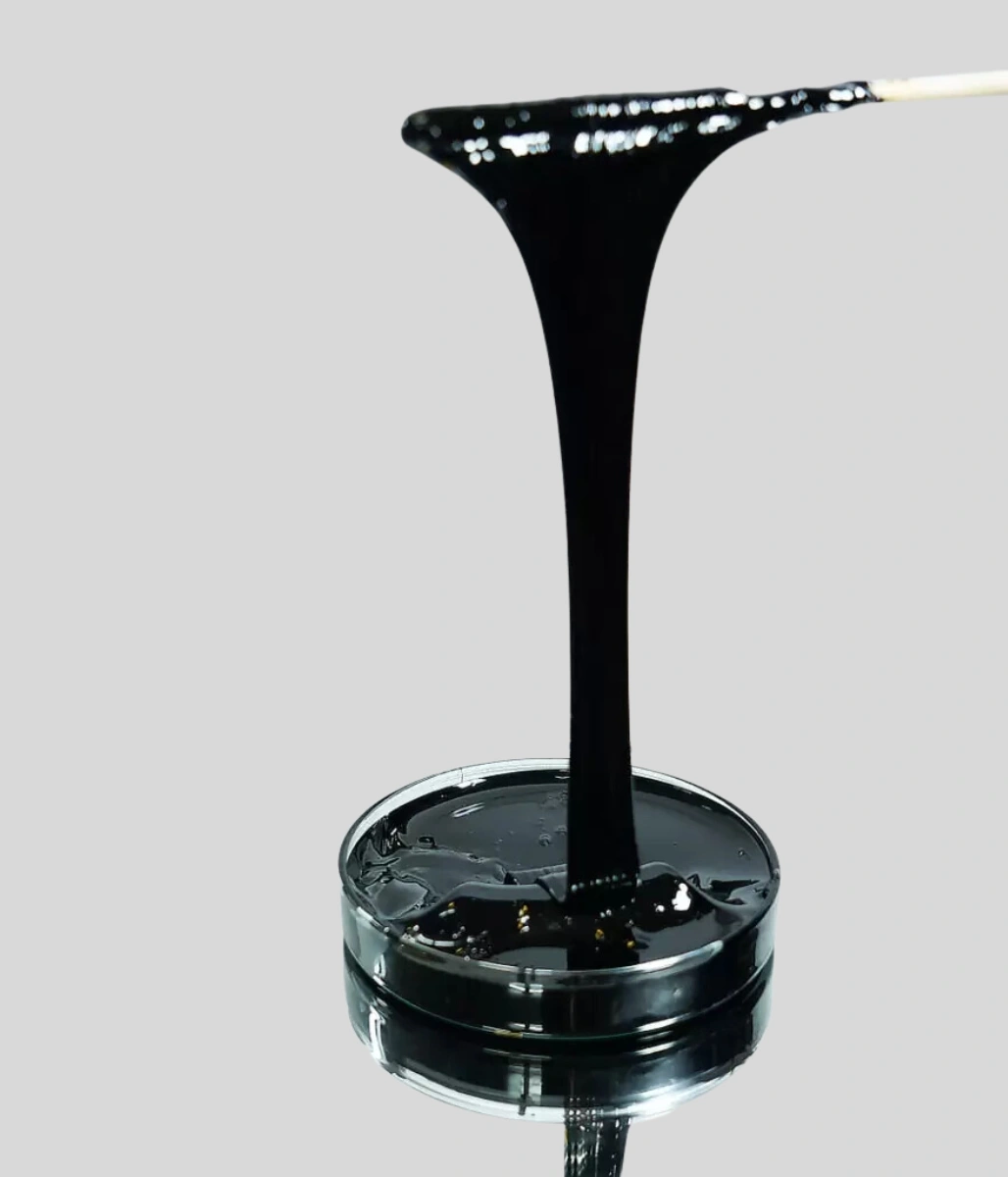
Properties of Bitumen VG-40
High Viscosity:
Bitumen VG-40 has a higher viscosity, making it more resistant to deformation at high temperatures. This property is particularly useful in warm climates, where high temperatures could cause lower-grade bitumen to soften and deform under heavy traffic loads. The increased viscosity helps prevent rutting—grooves that form on the road surface due to repeated traffic pressure.
Enhanced Stability:
Bitumen VG-40 contributes to the overall stability of asphalt pavements. It reduces the likelihood of cracking and deformation, ensuring better durability for road surfaces that are subjected to heavy loads and temperature fluctuations.
Cracking Resistance:
The higher viscosity also aids in reducing the chances of cracking, a common problem in asphalt mixtures subjected to extreme temperature changes or heavy traffic.
Applications of Bitumen VG-40
Bitumen VG-40 is used primarily in road construction and the creation of high-quality asphalt mixtures. It plays a critical role in the performance and longevity of roads in areas with:
- Heavy Traffic: VG-40 is commonly used in high-traffic areas where the road surface is likely to experience significant strain from vehicles.
- Warm Climates: It is ideal for regions with high ambient temperatures, where lower-grade bitumens would soften too quickly.
- High-Stress Areas: The combination of higher viscosity and enhanced resistance to deformation makes VG-40 the ideal choice for roads subject to regular, heavy traffic and high temperatures.
- Factors Affecting Asphalt Production with VG-40
When producing asphalt mixtures using VG-40, the mix design is crucial. It involves adjusting the proportions of aggregates and bitumen to ensure the desired performance characteristics of the asphalt mixture. Important factors to consider include:
- Traffic Load: The road must be designed to handle the expected traffic volume and weight.
- Climate: The temperature range in the region will affect how bitumen behaves during and after construction.
- Pavement Thickness: The thickness of the asphalt layer will influence the performance of the road and its ability to distribute loads effectively.
- Proper mix design ensures that the asphalt is durable and meets the necessary performance standards for the intended environment.
High Viscosity in Storage and Construction
Storage Stability:
Bitumen VG-40’s higher viscosity improves storage stability, meaning it is less likely to experience drainage during transportation and storage. This reduces the need for frequent reheating, maintaining the consistency and quality of the bitumen over time.
Construction Considerations:
During construction, the higher viscosity of VG-40 may require higher mixing and compaction temperatures. This can lead to increased energy consumption and greenhouse gas emissions. Therefore, it is crucial to find a balance between leveraging the performance benefits of VG-40 and minimizing the environmental impact of its production and application.
Conclusion
Bitumen VG-40 is a valuable material for road construction due to its high viscosity, excellent adhesion properties, and enhanced resistance to deformation. These qualities make it ideal for use in warm climates, high-traffic areas, and high-stress pavements. However, careful consideration of the mix design and construction practices is necessary to optimize performance while minimizing environmental impacts.
Packaging Options
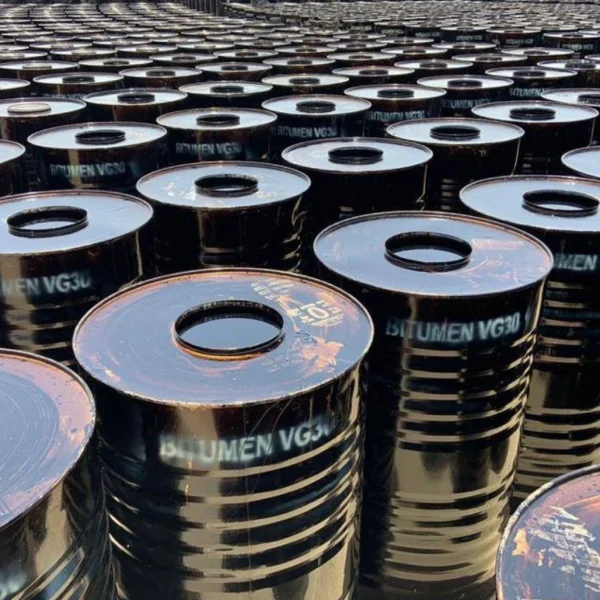
Bitumen VG-40 is available in various packaging formats to suit different needs:
- Bulk
- New Steel Drum
- 1 MT Jumbo Bag
- 300 kg Bitubag
- Bitutainer
These packaging options provide flexibility in storage, transportation, and application, ensuring that VG-40 can be used effectively across various construction projects.